Kenya has 16 days of petrol, 19 days of diesel, 49 days of kerosene in stock – CS Mbadi
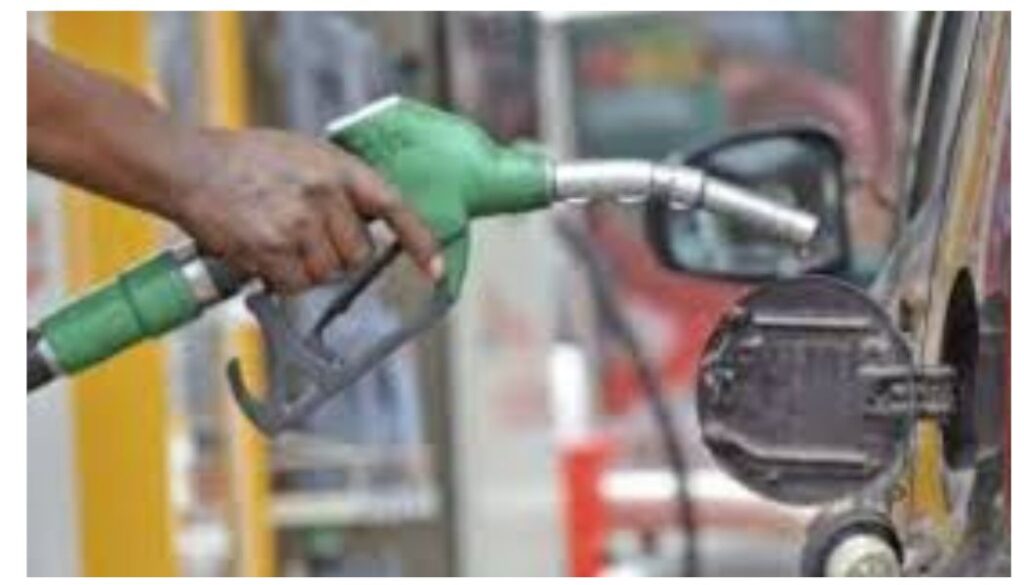
Kenya has 16 days of petrol, 19 days of diesel, 49 days of kerosene in stock - CS Mbadi
The country will soon be staring at a spike in fuel prices, as the effects of the war in the Middle East begin to bite.
As global oil prices climb amid the evolving conflict in the Middle East, the government now concedes that by mid-April, fuel prices are likely to come under pressure.
National Treasury and Economic Planning Cabinet Secretary John Mbadi, however, says billions will be deployed to soften the blow and cushion consumers, but only for a limited time.
“The current fuel pricing cycle, March 15, 2026, to 14th April 2026, is not likely to be affected since the product concerned was delivered prior to the Middle East conflict,” said Mbadi.
The government, however, says that about Ksh.17 billion currently held in the stabilization fund under the Petroleum Development Levy will be deployed to stabilise pump prices and partially shield consumers from sharp increases for the next three months.
The government is also considering altering the application of VAT on fuel, to a fixed amount per unit to keep the prices lower that would be.
“If, for example, the price was to increase by about Ksh. 60, especially diesel, which is the most significant for our economy, if it was to increase by Ksh.60 per litre, if you take off VAT, then that comes down to about Ksh.51, then that Ksh.51 we bring in the stabilisation fund and try to moderate it. I may not go into the details of how much we are trying to cover with the stabilisation fund because again, it is the responsibility of EPRA to announce the prices,” noted Mbadi.
Gachagua now alleges plot to grab 15.5 acres of Gikomba market land
Former Haiti Prime Minister appointed UN Resident Coordinator in Kenya
Governor Wavinya Ndeti hosts Sammy Kioko’s sister over Ksh19 million dispute
U.S. Embassy Nairobi says Green Card Lottery interviews are ongoing
For now, authorities maintain that supply remains stable. Current stock levels stand at 16 days for petrol, 19 days for diesel, and 49 days for jet fuel and kerosene, providing short-term cover as additional shipments arrive in April.
“Our suppliers, especially the ones we have a G2G arrangement with, are actually loading from other areas that are not affected like Europe and India,” Mbadi stated.
Beyond fuel, disruptions in Gulf markets have already affected the country’s livestock exports, leading to an estimated revenue loss of about Ksh.250 billion per week.
At the same time, aviation and logistics players are facing rising operating costs due to rerouting and higher fuel consumption.
“We have actually basically lost the export market for livestock as at now,” he stated.
The government now warns that economic growth could taper, as rising fuel costs ripple through the economy.
The shilling could also come under pressure as demand for dollars increases to finance more expensive fuel imports, potentially weighing on the country’s forex reserves.
At the same time, inflation could worsen, driven by higher transport and production costs.
U.S cites widespread corruption in Kenya as major trade barrier
Uhuru, all former vice presidents are covered by SHA – CS Duale
Masinde Muliro University responds to offering fake degrees amid government probe
Uhuru blasts church leaders for misleading Mt Kenya in 2022
Follow us