Privatisation of Kenya Pipeline started with Kibaki – CS John Mbadi
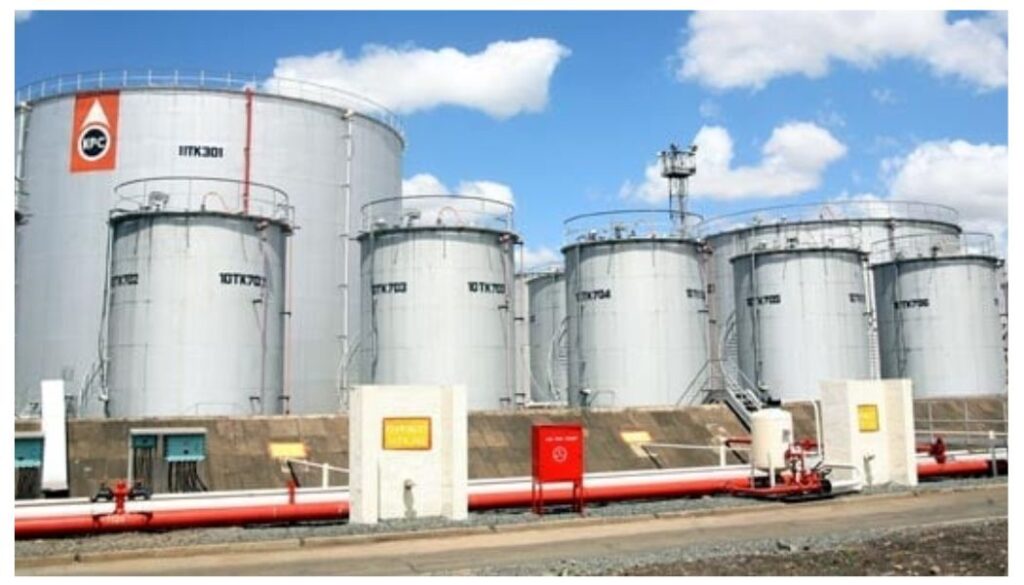
Treasury Cabinet Secretary John Mbadi, on Monday, February 2, has claimed that the privatisation of the Kenya Pipeline Company
Treasury Cabinet Secretary John Mbadi, on Monday, February 2, has claimed that the privatisation of the Kenya Pipeline Company was first initiated by former President, the late Mwai Kibaki’s administration.
Speaking during a budget forum in Meru County, Mbadi noted that Kibaki’s cabinet had approved the process in 2009, but its implementation was frustrated by bad publicity.
“The Cabinet had approved the sale of KPC, but a bad political game was played, and the matter had to be abandoned. Maybe it was waiting for Mbadi to come,” he stated.
The Treasury boss intimated that the Kibaki administration succeeded in ceding the state’s shares in other major companies, which boosted the economy.
“KCB used to be owned by the government 100 per cent, but the Kibaki government privatised it. We used to own Safaricom 100 percent, Moi released 40 percent, Kibaki released 25 percent and that is how we were left with 35 percent. When we want to release 15 percent, there is a lot of noise,” Mbadi remarked.
The CS questioned why previous holders of his office, including Amos Kimunya, who served as Minister for Treasury, did not receive the same heat as he did.
He faulted former President Uhuru Kenyatta for holding onto the shares at the expense of the country.
“Uhuru did not release any shares, and that is why we have these debts today,” Mbadi stated.
Kenyatta University clarifies raising school fees
We are fixing your mess – President Ruto hits back at Matiang’i over CBC
Oburu Oginga addresses reports of a plot to unseat Kindiki as DP
Australia announces fully funded scholarships; How to apply
Mbadi claimed that privatisation of KenGen and Safaricom has boosted revenue for both companies, putting them in better places than when they were when government held majority shares.
The government announced the sale of KPC shares at Ksh9 each and called on Kenyans to take the opportunity to own part of the company.
Despite the Kenya Kwanza administration claiming that the move was to raise funds for the state, opposition leaders have poked holes, terming it a conduit to enrich a few individuals.
They asserted that Kenyans could hardly afford to make ends meet, let alone buy shares.
Critics have further claimed that the sale would leave previously owned government firms in the hands of individuals close to power instead of benefiting ordinary Kenyans.
It is wrong to link Ruto to Kiambaa 2007 church attack; Gladys Boss
CBK issues warning over money bouquets
I lost Ksh450 million in Affordable Housing Project- MP Suleiman Shahbal
My net worth is Ksh1 billion; Presidential aspirant Eliud Owalo
Follow us