Treasury directs commercialisation of idle public assets
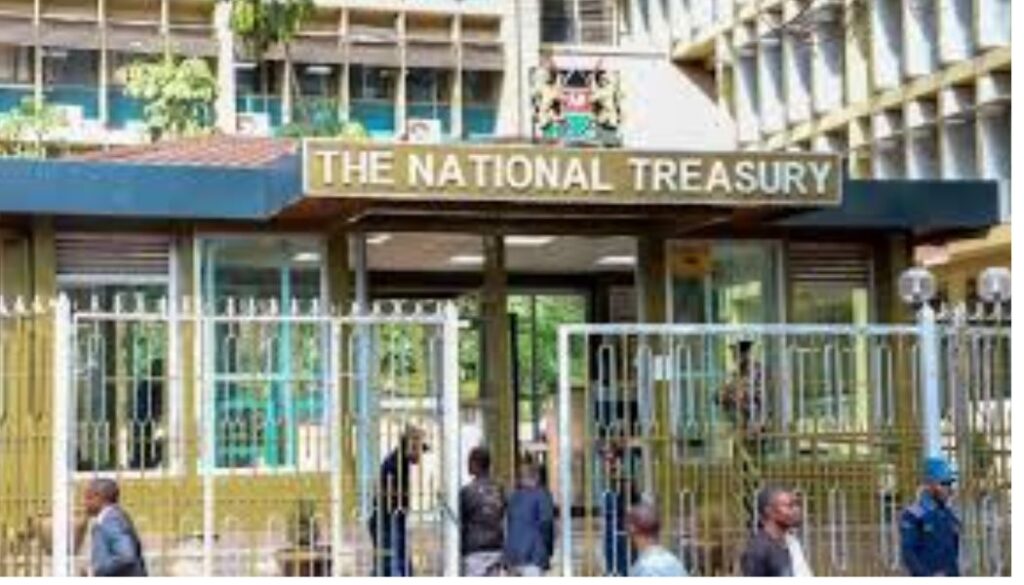
Treasury directs commercialisation of idle public assets
All Cabinet Secretaries, County Governors and Principal Secretaries have been directed to identify and commercialise idle or underutilised public assets under their control, in a bid to curb wastage and boost revenue.
In a letter dated February 12, 2026, the National Treasury said the move follows findings of inefficiencies, weak maintenance and poor asset planning across government institutions.
Treasury CS John Mbadi said the government has, over the years, invested substantial public resources in acquiring, developing, operating and maintaining public assets to enhance service delivery and support socio-economic growth.
However, he stressed that assessments had revealed “instances of idle and underutilised assets, duplication, weak maintenance practices, and inadequate asset planning across the public sector entities.”
“These inefficiencies result in avoidable fiscal pressures, increased recurrent expenditure and undermine government fiscal consolidation objectives and public financial management reforms,” reads the circular.
According to the Treasury, the circular provides policy and operational guidance to Ministries, Departments and Agencies (MDAs) and county governments on proper use, management and stewardship of public assets throughout their lifecycle.
It aims to “ensure that all public assets deliver maximum value for money, efficiency, and accountability,” while also seeking to “increase productivity through improved utilisation of existing assets,” reduce wastage and duplication and support evidence-based decision-making for fiscal sustainability and improved service delivery.
The directive applies to all MDAs at both national and county levels, as well as all government-owned or controlled assets held directly or indirectly.
Principal Secretaries and Accounting Officers have been instructed to identify and document all idle or underutilised public land under their control, backed by valid ownership documents and updated asset registers.
They must also conduct an independent valuation of the land through registered government valuers and assess suitable commercialisation options. These include “leasing arrangements, Public Private Partnerships (PPPs), joint ventures, where legally permitted, licensing and user rights and development rights, subject to planning approvals.”
The Treasury emphasised that all initiatives must comply with competitive procurement requirements, approvals from the National Land Commission where applicable and environmental and planning laws.
Officials are further required to integrate these initiatives into Asset Management Plans and submit reports to the National Treasury within 90 days detailing identified land, proposed commercialisation models and implementation timelines.
The circular also directs agencies to ensure efficient allocation of office space based on approved standards and to eliminate excess or idle space.
It bars public institutions from leasing office space where suitable government-owned premises are available.
“No public institution shall lease or rent office space where suitable government-owned space is available and unutilised,” the Treasury said.
Mbadi noted that leasing will only be allowed with prior approval and justification demonstrating a lack of government space, with clearance from the State Department of Housing and Urban Development and notification to the Treasury.
He added that government residential buildings must charge rent aligned with market rates, with reviews conducted regularly, at least once every five years.
Agencies are also encouraged to share facilities, co-locate compatible institutions, and prioritise ownership of office space over long-term leasing, supported by cost-benefit analysis.
Principal Secretaries are required to assess utilisation levels of all government buildings and submit compliance reports within 90 days.
Further, road agencies and county governments have been directed to commercialise road corridors through lawful and safe means such as wayleaves for utilities, advertising, concessions, tolling and temporary use of excess road reserves.
The Treasury said they may also explore smart corridor and digital infrastructure projects, provided all initiatives comply with safety, planning, valuation and procurement regulations. Updated registers and revenue reports must be submitted within 90 days.
The Treasury also outlined additional opportunities for commercialisation across various sectors.
There is no way I am going to allow Nairobi Hospital to be taken hostage by conmen; President Ruto
Endeni gym – Ruto fires back at Gachagua after he trolled him over weight loss
MP Koimburi wants MPs to speak mother tongue in House debates
East African Development Bank (EADB) breaks silence over Tuju’s property auction
For railway assets, this may include “passenger and freight concessions, leasing of railway land and stations, way-leaves, and tourism services,” while maintaining government ownership.
Government transport assets are to be optimised through fleet pooling, leasing or chartering where permitted, managed services and advertising, without affecting core services or security.
Conference and training facilities may be commercialised through leasing, event hosting, PPPs, management contracts and related services, with all initiatives required to comply with service regulations and proper revenue accounting.
The directive also calls for optimisation of government vehicle fleets through shared use, reduction of idle vehicles, and data-driven decisions on acquisition and replacement.
Priority for maintenance should be given to garages owned by National Polytechnics and TVET institutions within a 40-kilometre radius, unless vehicles are under warranty.
Unserviceable vehicles may be transferred to TVET institutions as training aids in line with disposal procedures.
The Treasury added that excess asset capacity should be reallocated to sectors in need based on data to ensure optimal use.
Principal Secretaries and Accounting Officers have been tasked with ensuring full compliance with the circular and the timely submission of accurate reports.
I don’t ask your wife for food – Matiang’i claps back at Ruto
Gladys Wanga nominates Danish Onyango to replace Magwanga as deputy governor
There is no way I am going to allow Nairobi Hospital to be taken hostage by conmen; President Ruto
Endeni gym – Ruto fires back at Gachagua after he trolled him over weight loss
Follow us