Two Tanzanians wanted in suspected poisoning of six lions in Amboseli, Kenya
Two Tanzanians wanted in suspected poisoning of six lions in Amboseli, Kenya
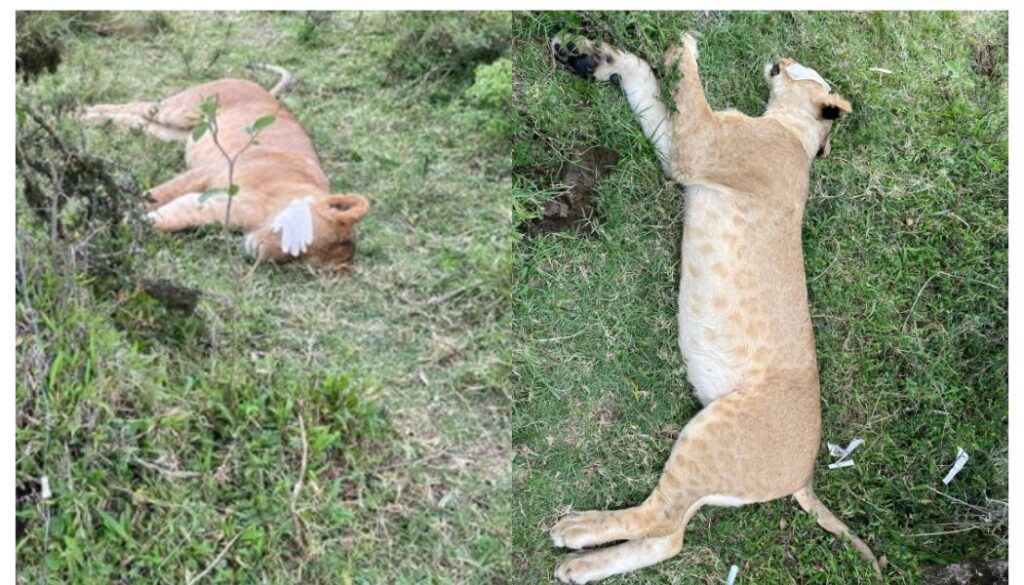
At least six lions and 34 vultures are believed to have died in a suspected poisoning incident near Amboseli National Park, Kenyan and Tanzanian authorities have confirmed.
Preliminary reports indicate the animals consumed a cow carcass that had been deliberately laced with poison in the Kitenden area along the Kenya–Tanzania border.
The shocking event, which occurred on January 7, has alarmed conservationists, who describe it as one of the worst wildlife poisoning cases ever recorded in the Amboseli ecosystem.
Officials from the Kenya Wildlife Service (KWS) and Tanzania’s wildlife authorities have launched a joint investigation into the incident, aiming to uncover the motive and prevent further loss of wildlife.
According to sources, two suspects from Tanzania are currently under close surveillance as inquiries intensify, though authorities have not yet confirmed any arrests.
Conservation experts warn that poisoning incidents not only decimate predator and scavenger populations but also disrupt the broader ecosystem, affecting biodiversity and tourism in the region.
Education can’t be free in Kenya today – President Ruto
IEBC announces voter registration in 27 constituencies (LIST)
Special police squad deployed to disrupt my rallies; Gachagua
Police teargas Gachagua’s motorcade at Sagana
Meanwhile, authorities have urged local communities and visitors to report any suspicious activity near wildlife corridors, as Amboseli’s animals are a shared responsibility between the two countries, which are home to some of the world’s most important wildlife corridors.
In September last year, six lions from the same pride at Oleisukut Conservancy in Maasai Mara were treated for poisoning by Kenya Wildlife veterinarians.
KWS reported that the lions had been spotted exhibiting signs of poisoning, prompting veterinary staff to begin treatment and relocate the animals.
Images and videos shared online showed the lions appearing drowsy in their natural habitat, raising concerns about their well-being. They, however, later managed to fully recover.
Poisoning wildlife is treated as a serious criminal offence as per the Kenyan laws, with the Wildlife Conservation and Management Act, 2013, criminalising the killing, injuring, or harming of protected species, including lions and vultures.
According to the Act, offenders can face fines of up to Ksh10 million, imprisonment for up to 20 years, or both.
Three family members burnt to death in a house fire in Kericho
I don’t fear you – Oburu Oginga to ODM MPs pushing for NDC
KWS locates body of missing guide in Mt Kenya after 18 days
Four suspects arrested in Ksh.40M fake TSC recruitment scam
Follow us