Treasury retains budget for Raila Odinga’s office and pension
Treasury retains budget for Raila Odinga’s office and pension
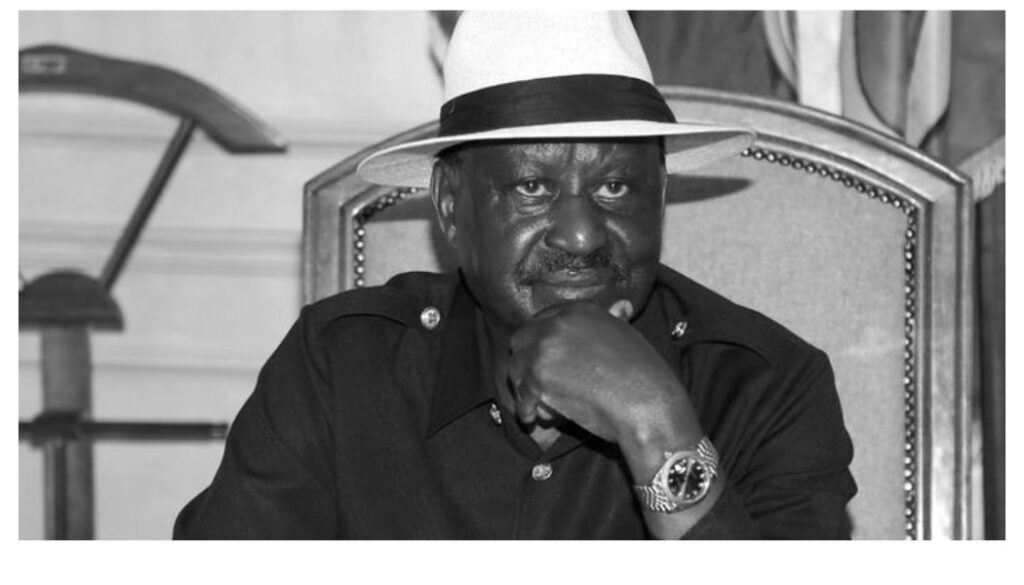
The National Treasury of Kenya has retained funding for the office and pension of veteran opposition leader Raila Odinga, a decision that continues to draw public attention and political debate across the country.
The allocation appears in the latest national budget estimates, signaling that the government intends to maintain financial support for the former prime minister’s office despite ongoing discussions about government spending priorities.
Raila Odinga, a long-time figure in Kenyan politics and leader of the Orange Democratic Movement, has served in several key political roles, including as Kenya’s Prime Minister between 2008 and 2013 following the power-sharing agreement that ended the crisis after the 2007–2008 Kenyan post-election crisis.
Due to his years of service and his status as a former high-ranking government official, provisions were made to support his office and retirement benefits.
According to budget documents, the retained allocation is meant to cover operational expenses for Odinga’s office as well as his pension benefits.
These funds typically support administrative staff, office operations, and other logistical needs associated with maintaining the office of a former national leader.
Government officials argue that such provisions are part of broader arrangements designed to honor public service and ensure that former leaders can continue engaging in national and international matters when necessary.
Ruto’s advisor Monica Juma appointed Head of UN office
Sifuna claims government blocking Linda Mwananchi website, paybill setup
Ruto pledges Sh100mn for annual concert started by Johanna Ng’eno
EACC seeks constitutional amendments to bar impeached leaders from 2027 ballot
Tana River County government plans Canada visit to learn governance model
However, the decision has sparked mixed reactions among Kenyans and policy analysts.
Supporters believe maintaining the allocation recognizes Odinga’s decades of contribution to the country’s political development and democratic struggles.
They argue that former leaders often play advisory roles in governance, diplomacy, and national unity initiatives.
Critics, on the other hand, question whether maintaining such funding is appropriate at a time when the government is under pressure to reduce public spending and address economic challenges facing citizens.
Some economists suggest that greater transparency and public awareness about how such funds are used could help ease concerns.
As the budget undergoes further review in Parliament, the retained funding for Raila Odinga’s office remains a topic of political and public discussion, reflecting the continued influence of one of Kenya’s most prominent political figures.
State House seeks Ksh20 billion budget for 2026/2027
Trump demands Iran’s ‘unconditional surrender’
Kenya Airways suspends repatriation flights from Dubai
Why late MP Johana Ng’eno married at 44
United Opposition flags Ruto’s bill as conduit to rig 2027 elections
Follow us