Hosting UDA meetings at State House is not unconstitutional; AG tells court
Hosting UDA meetings at State House is not unconstitutional; AG tells court
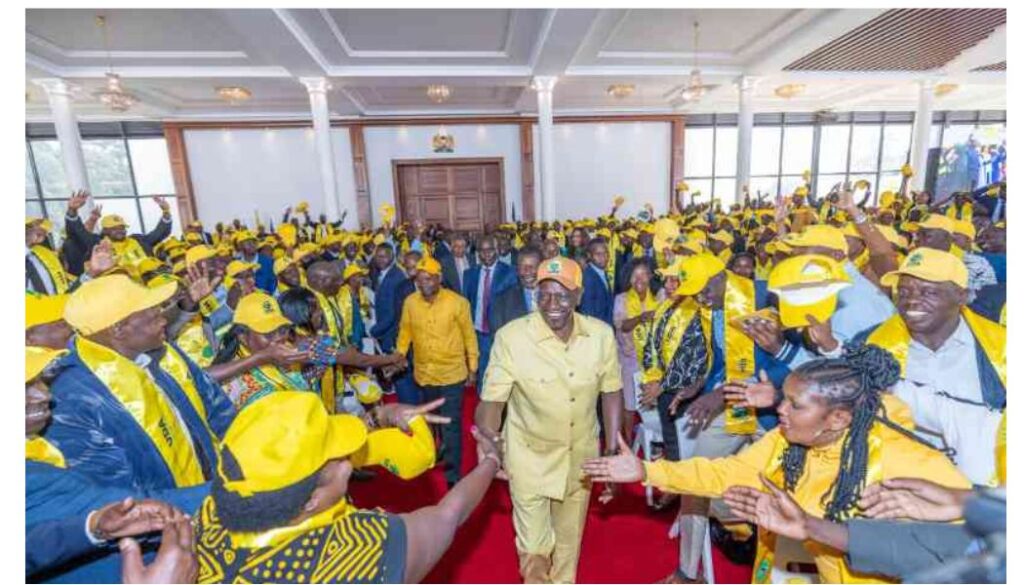
The Attorney General has asked the High Court to dismiss a petition challenging President William Ruto’s decision to host members of a political party at State House, calling the case “frivolous, vexatious and an abuse of the court process.”
The case was filed by Lempaa Suyianka, who claims that inviting members of the United Democratic Alliance (UDA) to State House amounted to a misuse of public office and violated constitutional provisions. The petitioner argues that the meetings blurred the line between government functions and partisan politics, raising questions about fairness and the proper use of state resources.
However, respondents, including the Attorney General, the Comptroller of State House, and the party itself, argue that the petition is legally weak and does not meet the threshold for a constitutional claim.
They contend that the petition fails to clearly explain how any constitutional rights were violated and does not link specific provisions of the Constitution to the complaint.
The government cites previous cases, including Anarita Karimi Njeru v R (No 1) and Mumo Matemu v Trusted Society of Human Rights Alliance, which make it clear that constitutional petitions must state with precision what the complaint is, which provisions of the Constitution were allegedly breached, and how the violation occurred.
The respondents also argue that President Ruto acted within his constitutional powers. Articles 131 and 132, they say, give the President the duty to coordinate government functions, promote national unity, and respect the diversity of Kenya’s communities. Hosting political leaders and citizens at State House, they argue, is part of facilitating government operations and fostering unity.
The court papers further note that Kenya is a multi-party democracy and that citizens are free to associate and participate in political activities. The respondents also cite Article 143, which grants the President immunity from civil proceedings for actions undertaken in the exercise of official duties.
Maraga appeals for donations to fund campaign
I was idle under Sifuna, he was a know-it-all boss – Catherine Omanyo
School bus runs over IED in Hagadera, Garissa
PLP will not go to Azimio coalition; Martha Karua
The government urges the court to dismiss the petition with costs, arguing that it fails to demonstrate harm, lacks clarity, and does not meet the legal requirements for a constitutional case.
Suyianka filed the case seeking court to declare that the use of State House for partisan political activities is unconstitutional.
In the petition filed at the Constitutional and Human Rights Division of the High Court in Nairobi, lawyer Suyianka argues that public resources have been unlawfully deployed to advance the interests of the ruling United Democratic Alliance (UDA) party.
The petitioner wants the court to issue orders compelling UDA to reimburse the State for all costs incurred during political activities held at State House and State Lodges.
Suyianka, in the case is also seeking a permanent injunction barring all political parties from holding meetings, forums, or political activities at the State House.
The petitioner argues that the State House and State Lodges are national institutions reserved strictly for official State functions and are maintained using public funds approved by Parliament.
MP Wamumbi to lead Nderitu Gachagua’s family to State House over inheritance dispute
Matiang’i, Muturi expose new scheme to rig 2027 elections
Kenyan boxer Jacob Oyoko dies after ringside incident during professional bout
Ruto should prepare for the possibility of election defeat – Kalonzo
Follow us