KPLC begins deducting up to 50% through token purchases for debt recovery
KPLC begins deducting up to 50% through token purchases for debt recovery
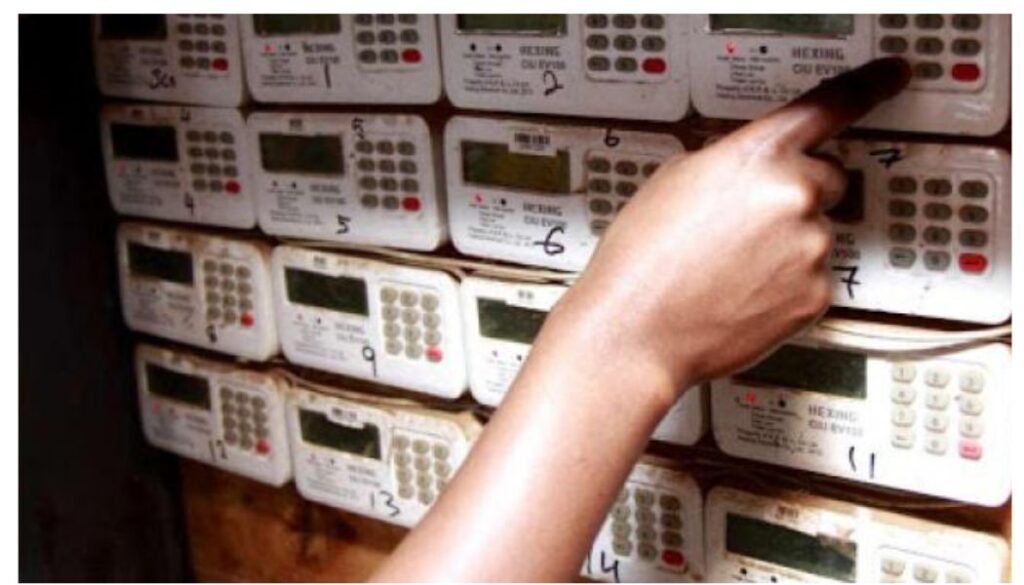
The Kenya Power and Lighting Company (KPLC) has quietly begun recovery of legacy debts by deducting arrears directly from prepaid token purchases, a move that will now affect the number of electricity units consumers receive after token purchase.
The development came to light after a customer raised concern over inconsistent token values from two separate purchases made under different meters, but for the same amount.
In the first transaction, the customer bought a Ksh500 token and received 19.4 units. However, a subsequent purchase of the same value yielded only 9.7 units, nearly half the earlier amount.
The explanation has now revealed a little-known mechanism through which the company is quietly offsetting unpaid arrears, which effectively reduces the number of units issued to affected customers despite uniform token purchase amounts.
The company explained that the second meter had an outstanding debt for last-mile connections. This debt, the company explained, was being recovered at a whopping rate of 50 per cent on each token purchase.
President Trump evacuated after shots fired at White House correspondents’ dinner
James Orengo new claims of planned violence ahead of Linda Mwananchi’s Kisumu rally
‘I will not kneel before you!’ Ruto takes on Gachagua over Mt. Kenya votes
Teenager shot dead by friend during hyena hunting exercise in Laikipia
Government announces new sugarcane prices
Therefore, for a token purchase of Ksh 500, for instance, Ksh 250 went to last-mile connection debt recovery. At the same time, only Ksh 160 was allocated to the token purchase, with the remaining amount allocated to other charges.
“The second meter has an outstanding Last Mile connection debt, which is being recovered at 50 per cent from each purchase, which is why you are receiving fewer units,” Kenya Power explained.
The clarification has sparked wider debate among consumers online, with many saying they were unaware that old connection fees or debts could automatically be deducted from prepaid token purchases without prominent notification at the point of sale.
The Last Mile Connectivity Program (LMCP)was initiated in 2015 as a large-scale government project aimed at providing universal access to electricity by reducing connection costs.
The program was particularly targeted at low-income areas, rural, and peri-urban areas.
Its main goal is to achieve universal electricity access by 2030 by connecting households, businesses, and public institutions near existing transformers at a subsidized rate.
Ruto accused of relaunching Kiharu TVC project previously opened by MP Ndindi Nyoro
Stage self-abductions at your own risk, CS Murkomen warns Kenyans
Seven people killed in tragic Narok-Maai Mahiu Road accident
Postmortem results reveal how Nairobi Lawyer Tom Ouya Imbukwa was murdered
Benjamin Netanyahu treated for early-stage prostate cancer
Follow us