KRA now seeks powers to use individual data for tax collection
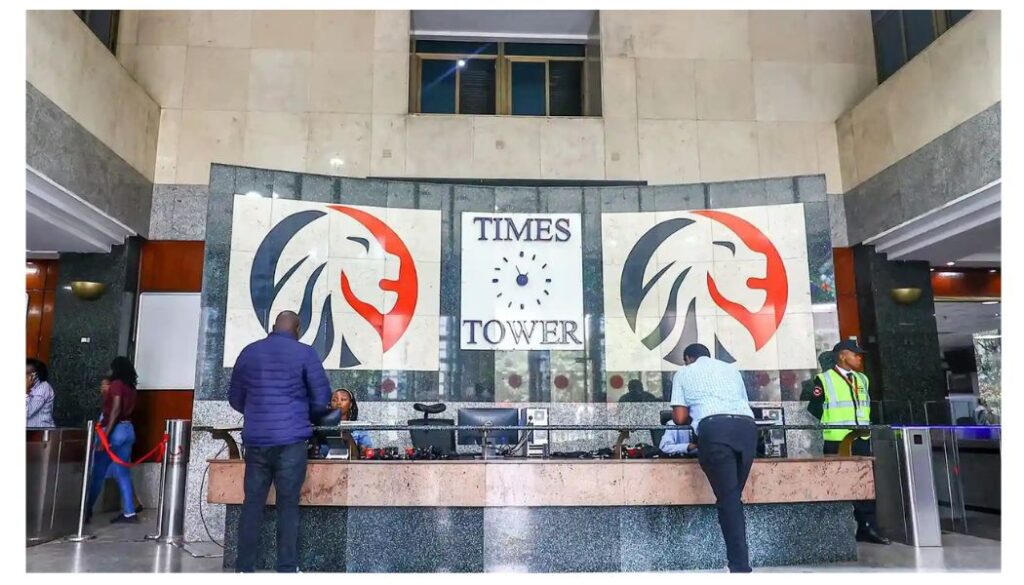
KRA now seeks powers to use individual data for tax collection
In the Draft Finance Bill of 2026, the Kenya Revenue Authority (KRA) is yet again seeking powers to determine individuals’ tax liability after accessing their data.
In the Bill, the National Treasury is seeking to amend the Tax Procedures Act to empower the KRA Commissioner to determine the tax liability of a person or persons suspected of having entered into or carried out a tax avoidance scheme.
The Act would give KRA new powers to determine a taxpayer’s liability using secondary data, moving away from the current voluntary self-assessment system.
Under the proposals by the National Treasury, KRA would rely on information such as withholding tax declarations, employer tax filings, eTIMS data, whistleblower reports, third-party information, KRA audit findings, and data obtained through other written laws to assess tax obligations.
For instance, withholding tax deductions already visible on iTax under a supplier’s PIN could be used as evidence in computing tax liability.
However, tax experts warn that the proposed changes could hand the taxman excessive powers with limited oversight, raising fears of possible abuse.
“The biggest risk will be infringement of personal data and using data that does not reflect the taxpayer’s tax position. When you look at the proposed tax amendment, in addition to a taxpayer’s self-assessment return, the Commissioner will be empowered to make an assessment on a taxpayer’s affairs based on data received from so many sources… information obtained under any other written law in Kenya. So when we use such a provision, then it means that we are giving the commissioner a lot of unchecked powers and we risk putting taxpayers in a precarious position,” said EY Associate Director Rachel Njuguna.
Man sues hospital, seeks Sh200mn over alleged expired drugs
TSC to lower entry grades for diploma teacher training to C plain
Rigathi Gachagua dispatches team ahead of his UK tour
Zimbabwe to return 67 farms seized from foreigners from four European countries
Further, experts warn that the system may contain data whose sources may be unknown to the taxpayer, leading to discrepancies between the self-declared tax liability and the system-generated liability, creating a further burden of compliance on taxpayers.
“Once a pre-populated return appears in the system and you do not agree with it, a taxpayer has to expend effort on his own or request the services of an accountant, and that’s time-consuming.
Number two, it creates aggressiveness from the revenue authority side because a tax officer will tell you this is what I see on the system,” added Ms. Njuguna.
In the amendment, the proposal to empower the Commissioner to issue agency notices during an ongoing dispute has also been highlighted as a concern, with experts warning that this could allow the taxman to demand taxes under dispute, a move that may strain businesses in the days ahead.
15 dead, several injured after gold mine collapse in West Pokot
Maseno School set for Ksh 2billion redevelopment
I will be disappointed if Ruto scores less than 60% in 2027; Senator Cheruiyot
Kenya Power official arrested for demanding Ksh20,000 bribe from a church
Follow us