Rare genetic disorder causes 31-year-old woman to age prematurely
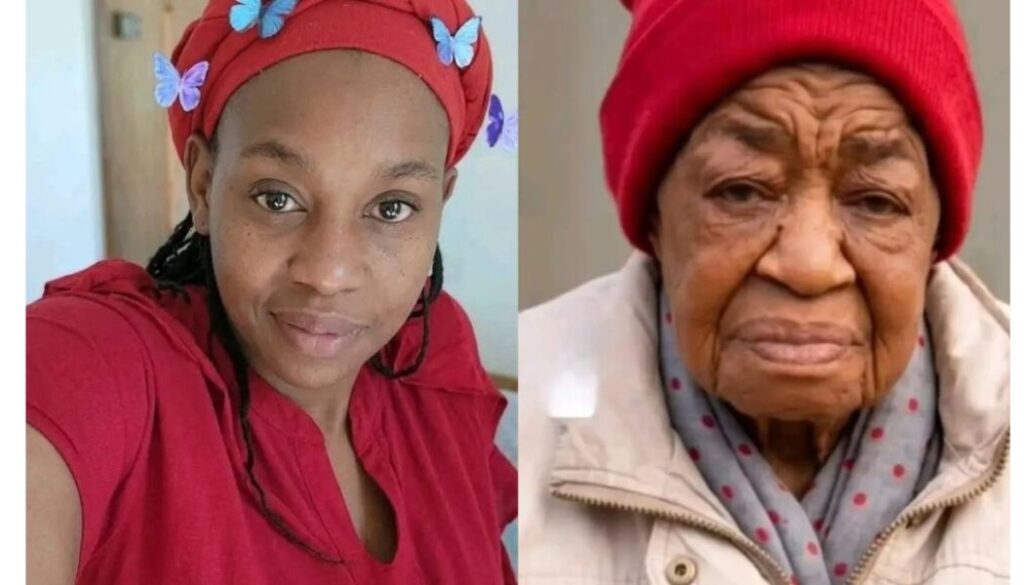
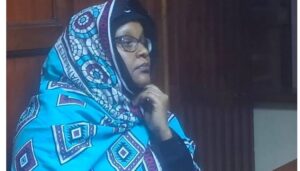
Sinenhlanhla Khoza, a 31-year-old woman from Mtubatuba in KwaZulu-Natal, has has gone viral online after her dramatic physical transformation caused by accelerated aging
Sinenhlanhla Khoza, a 31-year-old woman from Mtubatuba in KwaZulu-Natal, has has gone viral online after her dramatic physical transformation caused by accelerated aging.
The young mother appeared healthy and developed normally into her mid-20s, began experiencing rapid aging around the age of 27.
Over just a few years, her skin wrinkled, her hair greyed and thinned, and her overall appearance changed to that of someone decades older.
Medical experts believe Khoza is suffering from Werner Syndrome (also known as adult-onset progeria), a rare genetic disorder that causes accelerated aging. While this diagnosis has not been officially confirmed in public reports, it is the condition most commonly associated with her symptoms by those familiar with the case.
According to the University of Washington — Department of Labalatory, Medicine and Patholog, Werner Syndrome is a genetic condition. It is caused by a change, or mutation, in the genetic material that is passed on from parents to children.
Human beings have a set of instructions, called genes, that tell their bodies how to function. Humans get half of their genes from mothers and half from fathers. Noemally there are two copies of each gene, one from each parent. In order to get Werner Syndrome, there has to be a mutation in both copies of the Werner Syndrome gene (as it is a recessive trait).
DCI confirms arrest of Bunge La Mwananchi member who threatened Ruto
Government turns to sugarcane ethanol in push to cut fuel costs
Speaker Wetang’ula rejects Nyoro’s request for special sitting on fuel prices
UDA planning secret infiltration of Gachagua’s DCP Party; Senator claims
If someone has Werner Syndrome, each parent had one normal copy of the Werner Syndrome gene and one mutated copy (people with one normal gene and one mutated gene are called “carriers”), and each passed on the mutated gene to the child. When both parents are carriers, the chances that one of their children will have Werner Syndrome is 25%.
In other words, an average of one child out of four born to the couple would inherit both copies of the mutated Werner Syndrome gene, and would have Werner Syndrome.
The gene symbol is WRN (pronounced “vern”) and encodes a protein called the Werner protein.
Common effects include; premature greying and hair loss, thinning, wrinkled, and fragile skin, loss of subcutaneous fat, giving a pinched facial appearance, early development of age-related conditions such as cataracts, diabetes, osteoporosis, and cardiovascular disease, increased risk of certain cancers and shortened life expectancy; many patients live into their 40s or 50s, with complications from heart disease or cancer being the most common causes of death.
People with Werner Syndrome usually grow and develop normally in childhood and early teens, but aging accelerates rapidly in their 20s and 30s. There is currently no cure; treatment focuses on managing symptoms (e.g., cataract surgery, diabetes control, wound care, and cancer screening).
Khoza’s family has spoken publicly about her struggle, with the young mother appealing for help and support.
This rare disorder affects roughly 1in1 million people worldwide.
UDA hits back at Uhuru, accuses him of working behind the scenes to undermine govt
Kenyatta University leadership row deepens over VC appointment
Security officers foil suspected al-Shabaab attack in Mandera
Education Ministry proposes standardised school uniforms across all levels
Follow us